
Roof Inspection
Tulsa, Oklahoma
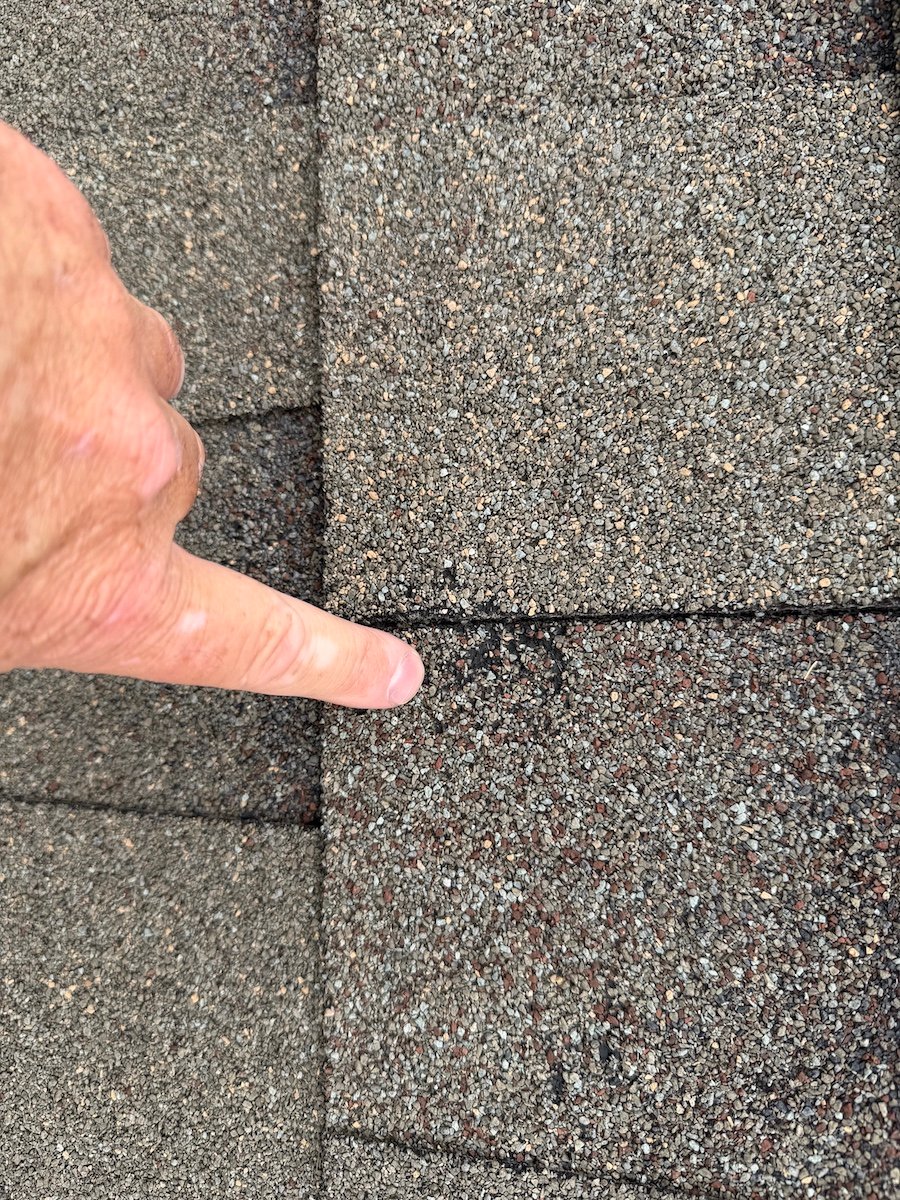
In Tulsa, a roof inspection is more than a routine checkbox, it is a practical way to catch small concerns before wind, hail, heat, or heavy rain turn them into costly repairs.
Most homeowners should schedule a roof inspection annually, after a major storm, and before listing a home or starting a renovation.
Free Roof Inspection
We gather the facts. Review every option we offer. You choose what’s best for you.
Working Hours
Roof Inspection Tulsa: When Should You Schedule One?
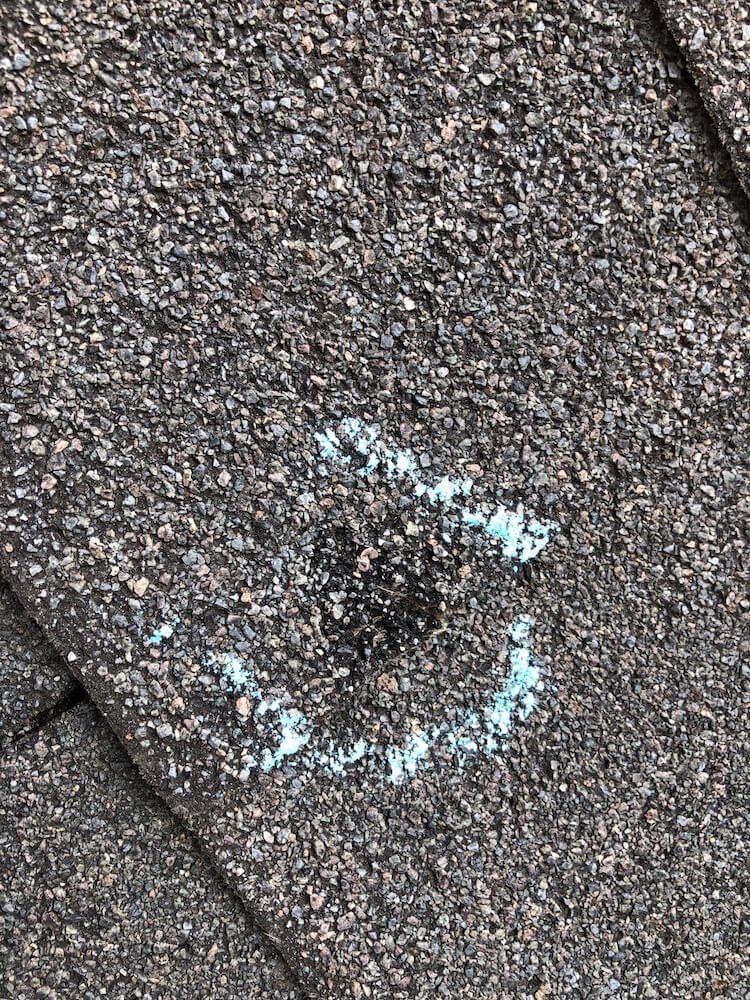
A professional roof inspection in Tulsa is worth scheduling at least once a year, ideally in spring after winter weather or in fall before storm season. Tulsa roofs contend with high winds, hail, sharp temperature swings, and heavy rain, conditions that can loosen flashing, bruise shingles, and expose small leaks before they become interior damage.
Homeowners should also arrange a roof inspection after a major hailstorm, wind event, or when they notice ceiling stains, missing shingles, granules in gutters, or higher energy bills. Consistent roof maintenance helps protect both a residential roof and a commercial property, but the inspection should fit the building’s age, materials, and recent weather exposure.
An experienced local inspector can assess drainage, ventilation, penetrations, and vulnerable edges rather than simply looking for obvious damage. For residential and commercial owners alike, timely inspections provide a clear record of the roof’s condition and make repairs easier to plan before a minor concern becomes a costly replacement.
Tulsa Weather and Roof Damage Risks
In the Tulsa area, a roof has to perform through more than ordinary seasonal change. Spring brings severe thunderstorms, hail, and straight-line winds; summer heat can accelerate wear in shingles and sealants; winter freezes test flashing, valleys, and drainage. A single storm may leave obvious damage, such as missing shingles or dented metal components, but the more consequential roof damage is often subtle: lifted edges, compromised pipe boots, loosened fasteners, or granule loss that shortens a roof’s service life.
Mature trees add another local concern, as falling limbs and wind-blown debris can puncture or scrape roofing surfaces. Consistent maintenance is the practical defense. Homeowners should arrange a professional inspection after major weather events and before small issues allow water into the decking, insulation, or interior finishes. Whether a home has asphalt shingles, tile, or metal roofing, timely attention protects both its appearance and its ability to withstand the next round of Oklahoma weather.
Signs Your Roof Needs an Inspection
A roof rarely fails without leaving clues first. Water marks on ceilings, missing or curled shingles, granules collecting in gutters, and flashing that has lifted around chimneys or vents can all point to developing roof damage. Roof leaks may begin as a faint attic odor or a small stain after heavy rain, then spread into insulation, framing, and interior finishes if left unresolved.
From the ground, look for uneven roof lines, moss growth, or sections that appear darker than the surrounding surface; these can indicate trapped moisture or an aging material system. Inside, a quick attic check can reveal damp insulation, daylight at roof penetrations, or discolored wood.
An inspection roof appointment is also wise after a severe storm, falling branches, or several years without professional attention. A qualified local roofer can assess overall roof condition, distinguish cosmetic wear from active concerns, and recommend repair work before a manageable issue becomes a more costly replacement.
Roof Inspection Warning Signs
- Check ceilings for water stains, peeling paint, or discoloration after rain.
- Look for missing, curled, cracked, or damaged shingles from the ground.
- Watch for shingle granules collecting in gutters or around downspouts.
- Inspect flashing near chimneys, vents, and skylights for lifting or gaps.
- Check the attic for damp insulation, musty odors, daylight, or stained wood.
- Schedule an inspection after severe storms, falling branches, or prolonged neglect.
What Professional Roof Inspections Include
Professional roof inspections are a focused evaluation of the components that protect your home. Quality inspection services cover your entire roof system, from visible surfaces to vulnerable details. A qualified roof inspector explains findings clearly and recommends the right next step, not a one-size-fits-all service.
Preparing for the Roof Inspection Visit
Roof Inspection Preparation Checklist
- Clear vehicles, furniture, and stored items from driveways and exterior access points.
- Provide a safe, unobstructed area for ladders around each roof slope.
- Write down visible concerns, including stains, drips, missing shingles, or storm damage.
- Share your notes with the inspector before the roof examination begins.
- Move boxes and belongings away from the attic hatch or entry.
- Ensure the attic access area has safe lighting, if available.
- Point out any interior moisture, ventilation issues, or suspected leak locations.
A little preparation helps your inspection tulsa appointment move efficiently and gives the inspector a fuller picture of your roof’s condition. Clear vehicles, patio furniture, and stored items away from the driveway and exterior access points so the crew can safely set ladders and examine each slope. If you have noticed a ceiling stain, drip, missing shingle, or recent storm damage, make a brief list and share it at the start of the visit.
Access to the attic is equally useful. Move boxes away from the hatch or entry, and ensure the area is safely lit, if possible. Attic observations can reveal moisture, ventilation concerns, and signs of leaks not apparent from outside. Unlike a broad home inspection, dedicated roofing services allow for a closer look at the roof and its critical details.
Roof Inspection Services: Inspection, Certification, Estimates and Insurance
A professional roof inspection gives you a clear, documented view of your roof’s condition before a small concern becomes a costly disruption. Our inspection services are designed for homeowners, buyers, property managers, and anyone preparing for maintenance, repair, replacement, or an insurance conversation. We assess visible roofing materials, flashing, drainage points, penetrations, ventilation indicators, and signs of weather-related wear, then explain what the findings mean in practical terms.
When certification or an estimate is needed, the value is in the detail: a thorough roof inspection can distinguish normal aging from active damage, identify work that should be scheduled soon, and support more informed decisions about scope and budget. If insurance is involved, clear observations, photographs, and a well-organized report help establish an accurate record of the roof’s present condition. You receive straightforward guidance, not pressure, on whether attentive maintenance, targeted repair, or full replacement is the appropriate next step for your property.
What a Roof Inspection Can Help You Decide
| If You Need Help With | What the Inspection Documents | How It Supports Your Next Step |
|---|---|---|
| Maintenance planning | Visible roofing materials, flashing, drainage points, penetrations, ventilation indicators, and weather-related wear | Helps identify attentive maintenance that should be scheduled soon. |
| Repair evaluation | Signs of active damage and findings that distinguish damage from normal aging | Supports a decision about whether targeted repair is appropriate. |
| Replacement planning | The roof’s present condition and the extent of visible wear or damage | Provides guidance on whether full replacement is the appropriate next step. |
| Certification | Detailed observations of the roof’s visible condition | Provides the detail needed when certification is requested. |
| Estimates | Findings that clarify the scope of needed maintenance, repair, or replacement | Helps inform scope and budget decisions. |
| An insurance conversation | Clear observations, photographs, and a well-organized report | Helps establish an accurate record of the roof’s present condition. |
Understanding Roof Inspection Findings by Urgency
A professional inspection should do more than describe your roof condition; it should help you decide what needs attention now, what can be scheduled, and what simply merits observation. Findings are typically grouped by urgency.
Active leaks, missing sections of roofing, storm-related punctures, or compromised flashing call for prompt repair because water can quickly reach framing, insulation, and interior finishes.
Other concerns, such as worn sealant, granular loss, minor edge lifting, or early signs of moss, may not be emergencies, but they belong on a planned maintenance list before they become more costly roof damage.
Some observations are simply useful benchmarks: areas shaded by trees, aging materials, or drainage patterns that deserve a closer look at the next visit.
Local weather matters, too. Wind, heavy rain, heat, and freeze-thaw cycles can change the pace at which a small issue develops. A clear report separates immediate risks from sensible preventive work, giving homeowners a practical path to protect the roof without treating every note as a crisis.
Storm Damage, Insurance and Roof Inspections
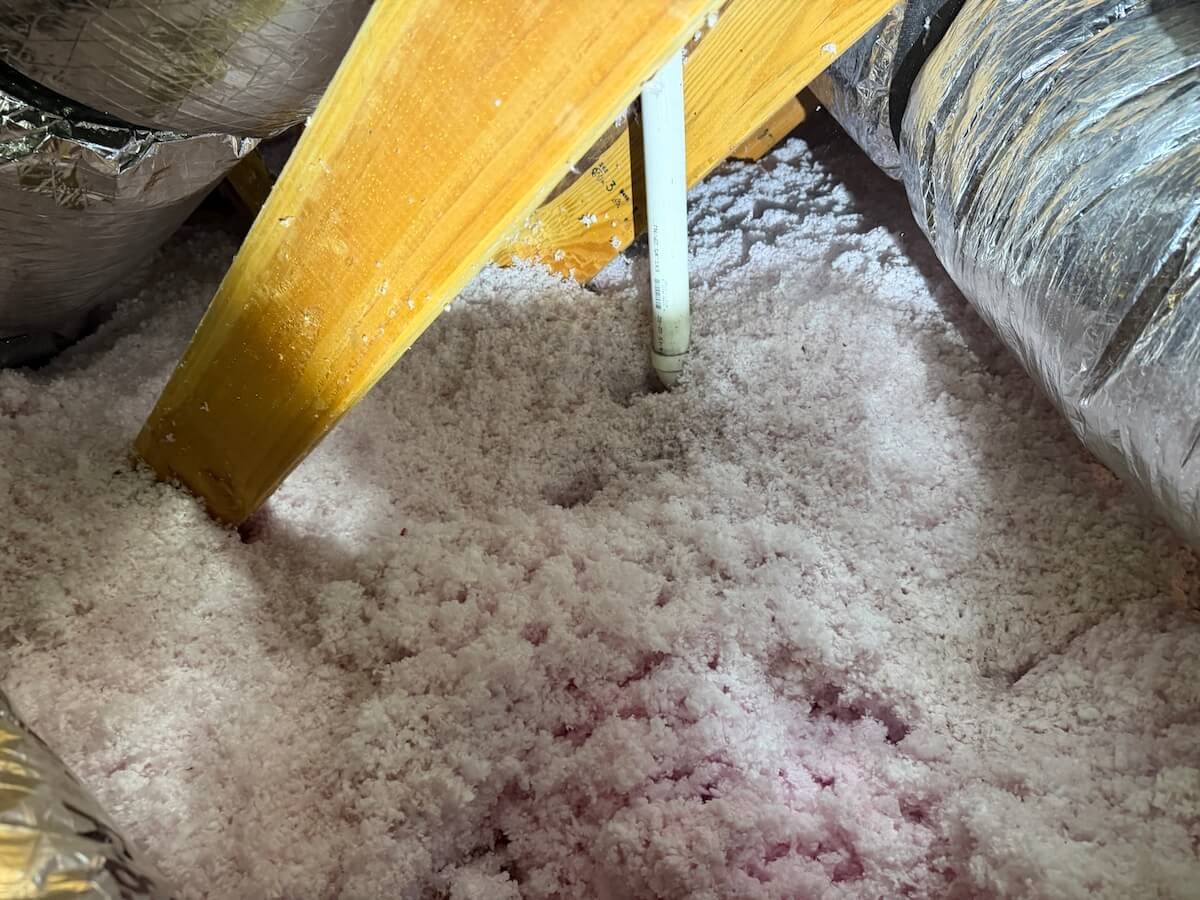
After a severe storm, the most important work happens before a small problem becomes a costly repair. Wind can lift shingles without leaving an obvious gap from the ground; hail may bruise roofing materials, and driven rain can expose weak flashing, vents, or valleys. Prompt roof inspections provide a clear record of the condition of your home, identify active roof leaks, and separate recent storm damage from ordinary aging. That documentation can also make the insurance process more straightforward.
A qualified roofing professional should photograph affected areas, explain the recommended scope in plain language, and provide an estimate that reflects the work actually needed, not a rushed assumption. Homeowners should contact their insurer early, keep copies of all reports and correspondence, and avoid authorizing major repairs before understanding their policy requirements.
Temporary protection may be necessary to limit further damage, but it should be carefully documented. The right service combines a thorough assessment with practical guidance, helping you protect the roof now while making informed decisions about repair, replacement, and insurance coverage.
How Often to Schedule Roof Inspections in Tulsa
For most homeowners, professional roof inspections in Tulsa should be scheduled twice a year: once in spring after severe-weather season begins and again in fall before colder, wetter conditions set in. Tulsa roofs contend with high winds, hail, sudden temperature swings, heavy rain, and intense summer sun, conditions that can loosen shingles, compromise flashing, or expose small leaks before they become visible indoors. A residential roof should also be inspected promptly after a major hailstorm, straight-line wind event, or fallen-branch impact, even when damage is not obvious from the ground.
Newer roofs may appear to need less attention, but regular roof maintenance protects manufacturer warranties and creates a clear record of the roof’s condition over time. Older roofs, especially those approaching the end of their expected service life, may benefit from more frequent review. Consistent roof inspections allow a qualified local professional to address minor repairs early, helping preserve the home’s structure, curb appeal, and long-term value.
Choosing a Roof Inspector in the Tulsa Metro
In the Tulsa metro, a roof inspection should do more than identify missing shingles after a storm. The right roof inspector understands how Oklahoma’s hail, high winds, heat, and sudden temperature shifts affect different roofing systems over time. Look for inspection services that include a clear visual assessment, documented findings, photographs, and an explanation of what requires prompt attention versus routine monitoring. Experience matters, particularly when an inspector can distinguish storm-related damage from age, installation concerns, or normal wear.
For commercial properties, choose a professional familiar with low-slope assemblies, drainage patterns, flashing details, and the maintenance records that support long-term planning. It is also worth asking how inspection services are performed: whether the inspector accesses the roof when conditions allow, examines attic or interior indicators when relevant, and provides a practical written report. A careful local evaluation gives homeowners and property managers a sound basis for repairs, insurance conversations, and future roofing decisions.
Roof Inspection Tulsa FAQs, Including Free Roof Inspections
Tulsa homeowners often ask whether a no-cost assessment is worthwhile, especially after hail, high winds, or a leak appears. Reputable local companies may offer free roof inspections as an initial visual evaluation, helping identify visible storm damage, worn shingles, flashing issues, drainage concerns, and signs of aging. A free inspection should still be thorough: the contractor should explain what they found, provide photos where practical, and distinguish between immediate repairs, maintenance items, and conditions that may support an insurance claim.
If you need a more formal report for a real-estate transaction, warranty matter, or disputed claim, ask whether that service carries a separate fee. For a dependable roof inspection Tulsa residents can schedule after severe weather or before buying a home, choose a contractor with local experience and clear communication. Roof inspectors are available for both urgent concerns and planned maintenance visits. The best roof inspections in Tulsa leave you with understandable recommendations, not pressure to replace a roof before the evidence supports it.




Frequently asked questions
How often should I schedule a roof inspection in Tulsa?
Most Tulsa homeowners should schedule a professional roof inspection once a year. Spring is useful for identifying winter-related wear, while fall helps prepare for severe weather. Older roofs, commercial properties, and roofs with prior repairs may benefit from more frequent evaluations.
Should I have my roof inspected after a hail or windstorm?
Yes. Schedule an inspection after significant hail, high winds, falling branches, or heavy rain. Storm damage can include lifted shingles, bruised materials, damaged flashing, and loosened fasteners that may not be visible from the ground.
What are common signs that my roof needs an inspection?
Watch for ceiling stains, attic moisture, missing or curled shingles, granules in gutters, lifted flashing, higher energy bills, or a musty attic odor. Dark roof areas, uneven lines, moss growth, and visible debris damage also warrant attention.
What does a professional roof inspection include?
A thorough inspection reviews roofing materials, flashing, valleys, vents, pipe boots, penetrations, drainage, roof edges, and visible ventilation concerns. When attic access is available, the inspector may also look for damp insulation, discolored wood, and signs of active leaks.
Can a roof inspection help with an insurance claim?
Yes. A post-storm inspection can provide photographs, documented observations, and an estimate for needed repairs. Keep copies of the report and contact your insurer promptly, while reviewing policy requirements before approving major work.
How should I prepare for a roof inspection appointment?
Clear vehicles and obstacles from exterior access areas, secure pets, and make note of leaks or storm events you have observed. If possible, clear a safe path to the attic hatch so the inspector can check for moisture and ventilation issues.