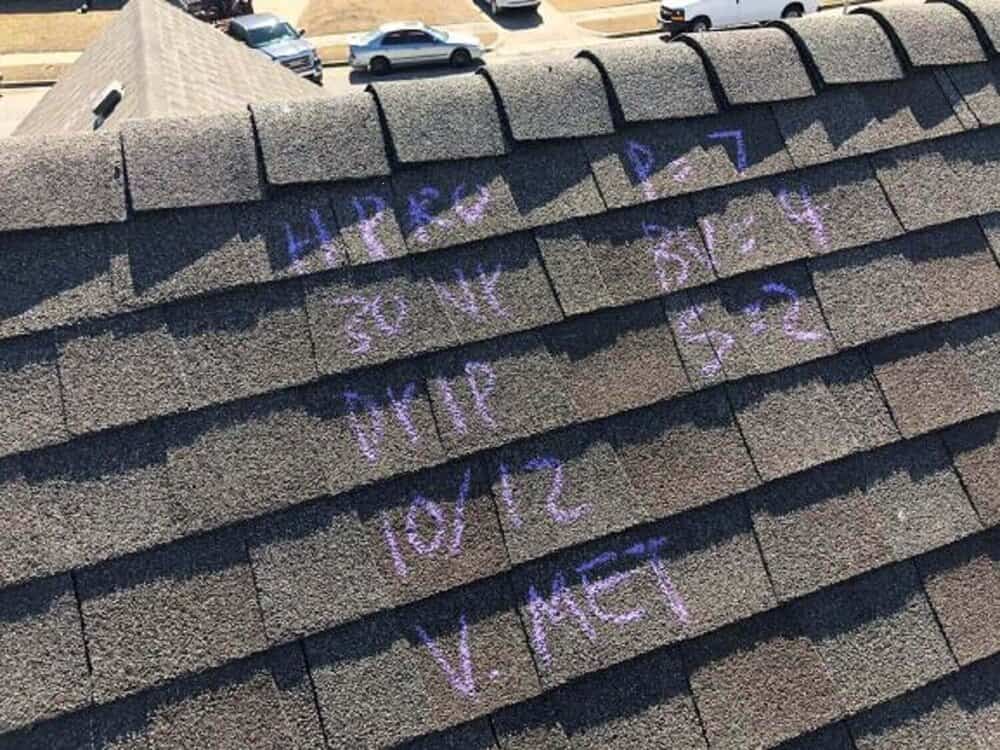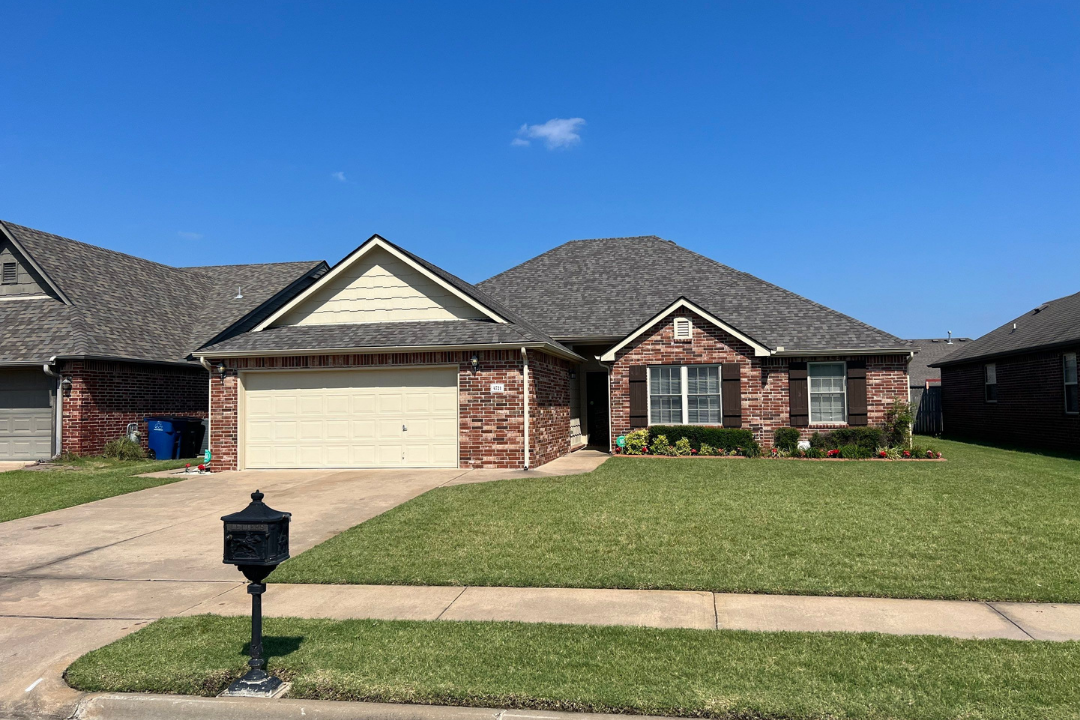
Getting ready for storm season, or that storm has already come through and now it’s time, but you’re nervous about the process.
We are going to run through, based on our experience, what insurance companies have paid for in the past.
However, what truly is covered under your policy is going to be between you and your insurance agent. Calling them and confirming the details is important. This blog will help you know the right questions to ask so you understand what is and what isn’t covered.
Here is what a typical Tulsa hail claim covers, and what it doesn’t.
- Hail Damage.Main roof, detached garage, shed, siding, grills, and windows all typically covered.
- Interior Damage.Storm brings in hail, high wind and heavy rain. Interior leaks are covered.
- Deductible.Oklahoma policies often have a separate wind and hail deductible. Know yours before you file.
- RCV vs. ACV.Know which one you have, it affects how much you actually get paid.
- What Is NOT Covered.Policy exclusions and normal aging of the roof can both affect what is and isn’t covered.
- Documentation.Photos and video after the storm. Your evidence if the adjuster pushes back.
- The Adjuster Appointment.What to expect when the adjuster shows up, what they are looking at, and whether you should be there.
Let’s talk about each one.
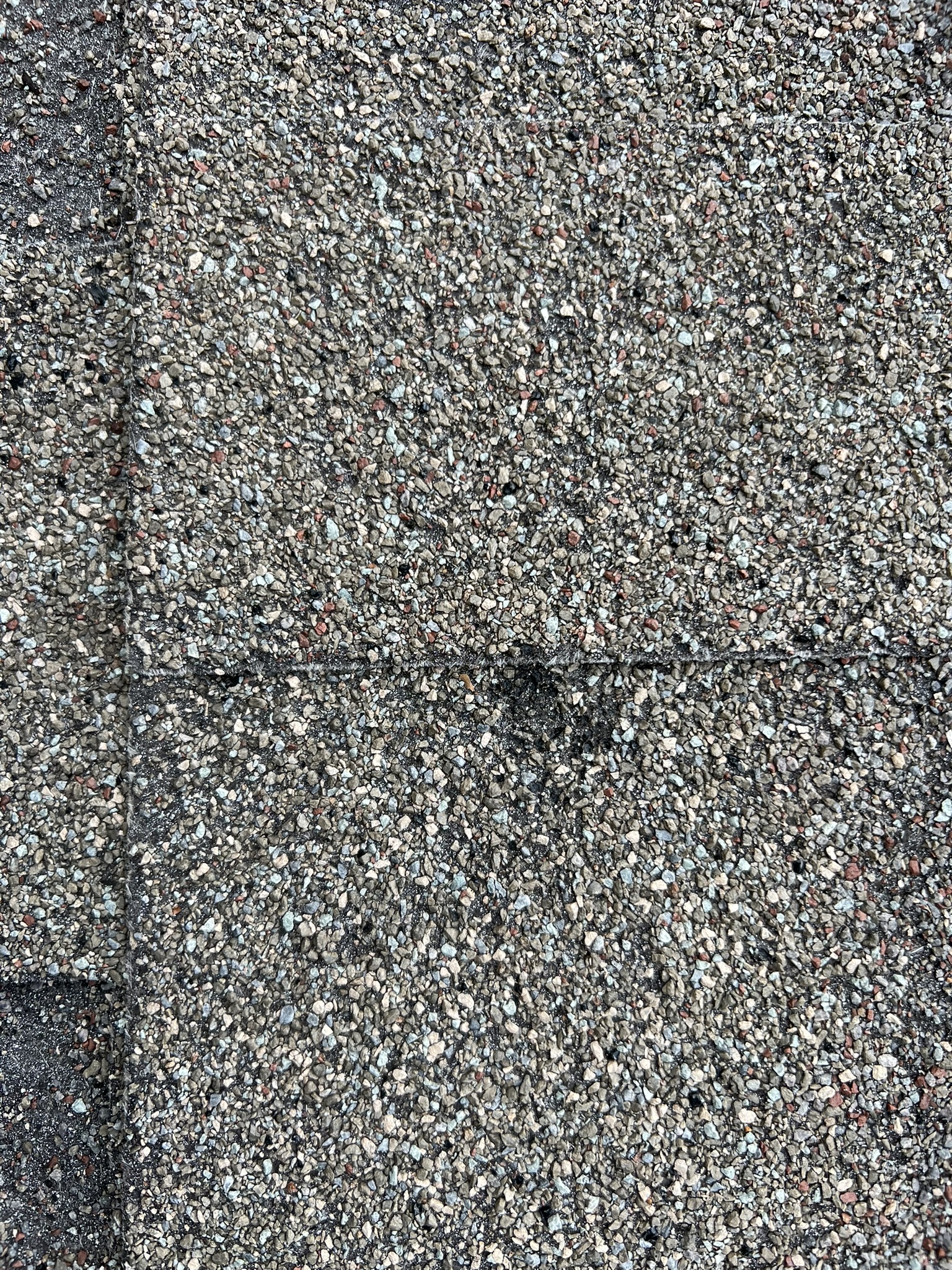
Not every storm is worthy of filing a claim. The hail can be small or soft in density, so contacting an honest roofing contractor is important to get the advice you need. If all he is doing is trying to force you into signing his contract, it might be wise to move on.
Hail Damage
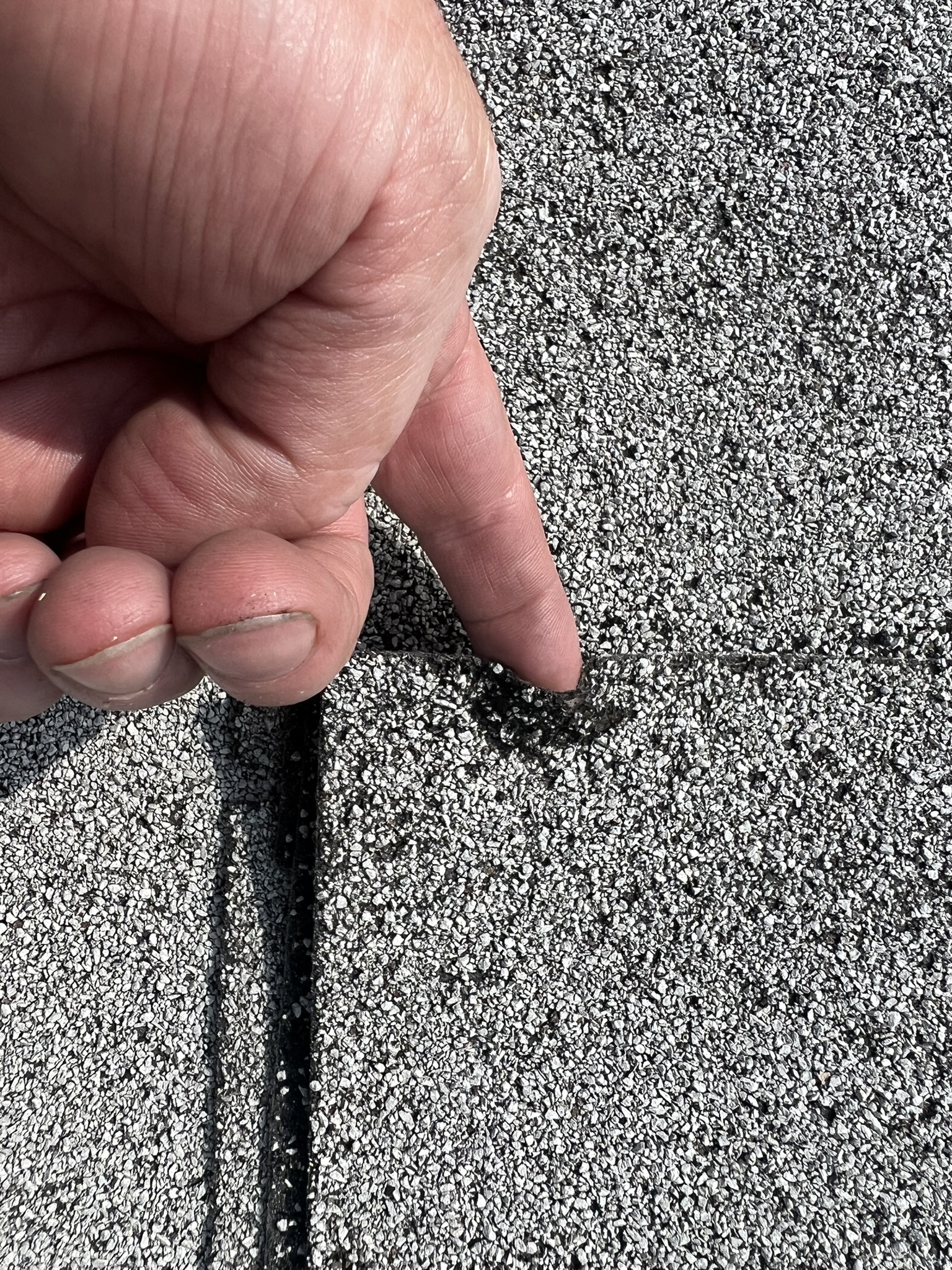
A typical hail claim covers the roof, and that includes the detached garage and shed roof. Dents in the guttering are common with a hailstorm and would be a covered item. Is there damage to the siding? Vinyl siding would have cracks and chips. For wood and painted siding, you could have chips on the wood and cracking of the paint, or indentations. Other items typically covered under an insurance claim:
- Garage doors
- Grills
- Outdoor light fixtures
- Window screens and windows
Interior Damage
Along with hail, a storm can bring high winds and heavy rain. Leaks, or literally hail stones coming through the ceiling, are common. After the storm, walk the entire house, every corner, and look for damage. The interior portion would be covered in a hail claim.
Deductible
You should be aware of the damage, but you should also be aware of how much this claim is going to cost you. You could have a deductible for normal types of claims, like if a water pipe bursts in your house, but also a separate deductible for wind and hail damage. A common deductible for wind and hail damage is 1% of the total home’s value, so that would be $2,500 if the home’s value is $250,000. Deductibles could range from 2-5%, meaning your cost for the claim could range from $5,000-$12,500.
| Deductible | Your Cost |
|---|---|
| 1% on a $250,000 home | $2,500 |
| 2% | $5,000 |
| 3% | $7,500 |
| 4% | $10,000 |
| 5% | $12,500 |
RCV vs. ACV
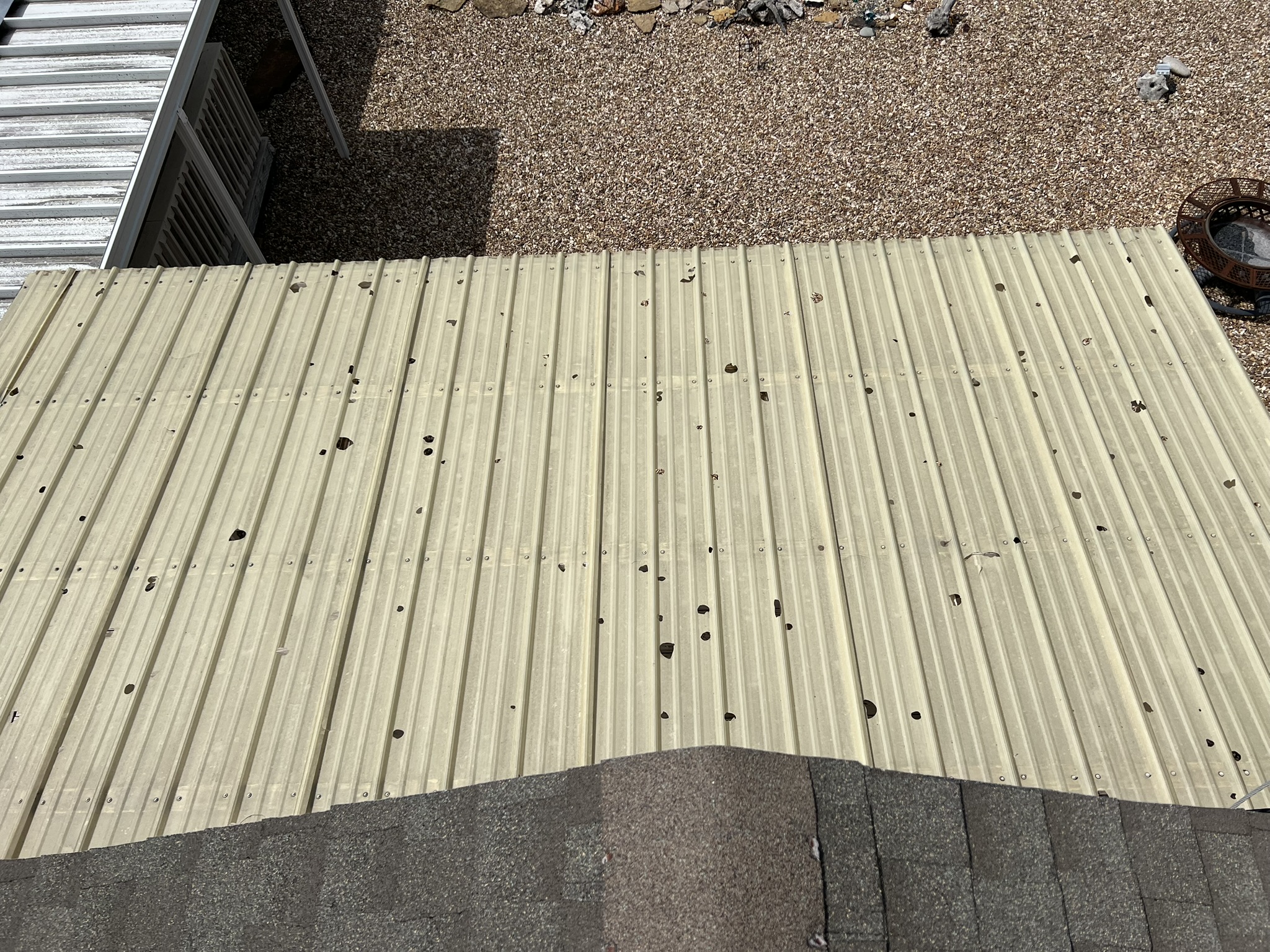
Knowing what coverage you have on your roof is also important. Replacement Cost Value simply covers the roof minus the deductible, where Actual Cash Value only pays for what the roof is worth in its current state. With ACV, the depreciation is not recoverable. We have a full blog on this topic, worth reading before you file.
What Is Not Covered
Not everything makes it through a claim. Your policy will be the ultimate judge and jury, and this is where your agent is going to be most helpful.
Policy exclusions to watch for:
- Metal marring exclusion.Would exclude metal from getting paid. If the gutters are dented, that exclusion takes them right off the table.
- No building code coverage.Things like extra vents or drip edge would not be covered.
Then there is the obvious. Normal aging of the roof is not covered. If the roof has so much wear to it that you can’t tell if it’s hail damage or just severe granule loss, that’s a problem. Insurance is not going to cover a roof that just wore out. If soft metals like roof vents and pipe flashing don;t show signs of hail damage, your roof most likely would not be approved.
Documentation
After a storm comes through, documentation is key. Take photos of hail coming down and record the sound it makes. Also take photos of all the damage you see inside and outside the house.
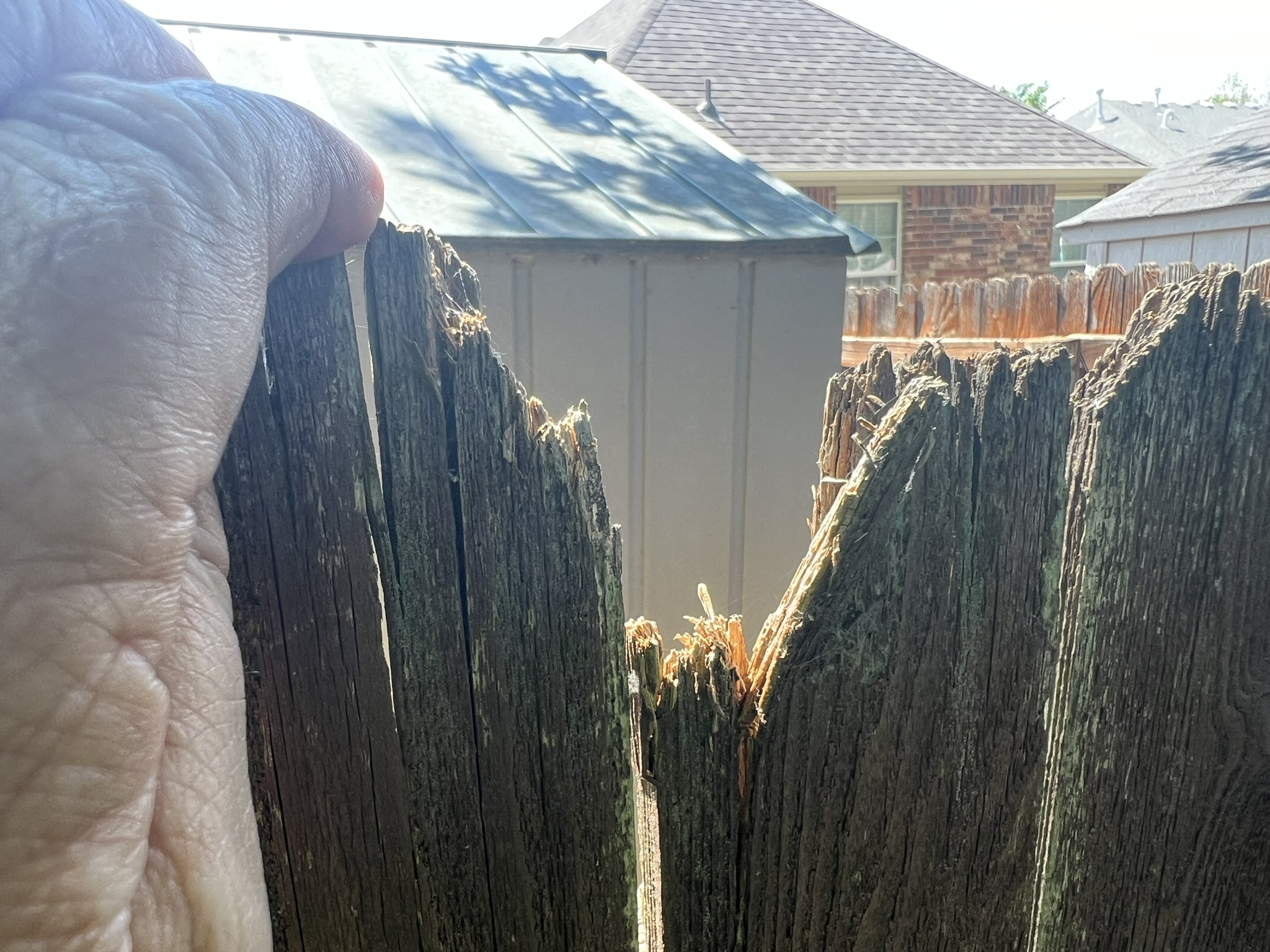
Here is an example. Your grill went flying across the yard, same with tree limbs and everything else. You clean everything up, so the yard looks great, wipe the grill so it looks nice and clean, and notice a dent on the grill. You tell the adjuster who is inspecting the home and to him it looks more like you damaged it rather than the storm. Here you have a conflict. Can the adjuster just take everyone’s word? Probably not. But if you have four or five photos of the grill 15 feet from your home lying on its side, that creates less friction and gives the adjuster reason to approve that item. The same goes for everything else on the property, a photo or two on each damaged piece can mean additional items getting paid out that otherwise wouldn’t.
Filing the Claim
If you have done all the legwork, like calling a contractor to assess the damage, talking to your agent, and now knowing your deductible and whether you have an RCV or ACV policy, you are ahead of most people. To be honest, some don’t do the important work, but you are different and prepared. To file a claim, most people either call their agent or call the 1-800 number. Knowing the date of the storm and the extent of the damage are the two things you’ll want to have ready when you do.
The Adjuster Appointment
The storm hit and the claim has been filed. How does the adjuster appointment work?
The adjuster will set up an appointment to look at the property. Depending on the storm and how the insurance company handles things, there are two types of adjuster visits:
| Photo only | A third-party adjuster comes out to take photos only. Those photos will be reviewed by an in-house adjuster and from there a determination will be made on whether the claim is paid or not. |
| On site | An adjuster, either third party or an employee of the insurance company, comes out, takes photos, and has the authority to approve the claim on site and issue payment. |
Either way, approval will be done off site or on site.
Should your contractor be at the adjuster appointment? Or better yet, should you be there? If you were present during the storm, you know firsthand what happened and what you noticed after. Things like hearing the hail hitting one side of the house harder than the other, or noticing damage to the fence, the car, or the siding. A homeowner can handle these appointments just as well as a contractor. If you took your photos, simply have them ready for the adjuster appointment. As you walk around the house, show the adjuster the photos and you will have a great appointment
Stepping out of the way and letting the contractor do all the work while you stay uninvolved is not the approach I’d recommend.
In the end, document the damage the best you can. Confirm how much the claim will cost you and make the decision whether filing a claim is best or if it makes more sense to just pay out of pocket for the repairs.
We know you didn’t ask for the storm to happen. But hopefully this blog has brought some insight and clarity into the claims process, or at least helped you know what questions to ask your agent. Need the roof looked at to confirm the damage? That’s where we can help. Call us at 918-607-7409 and we can take a good look at things.