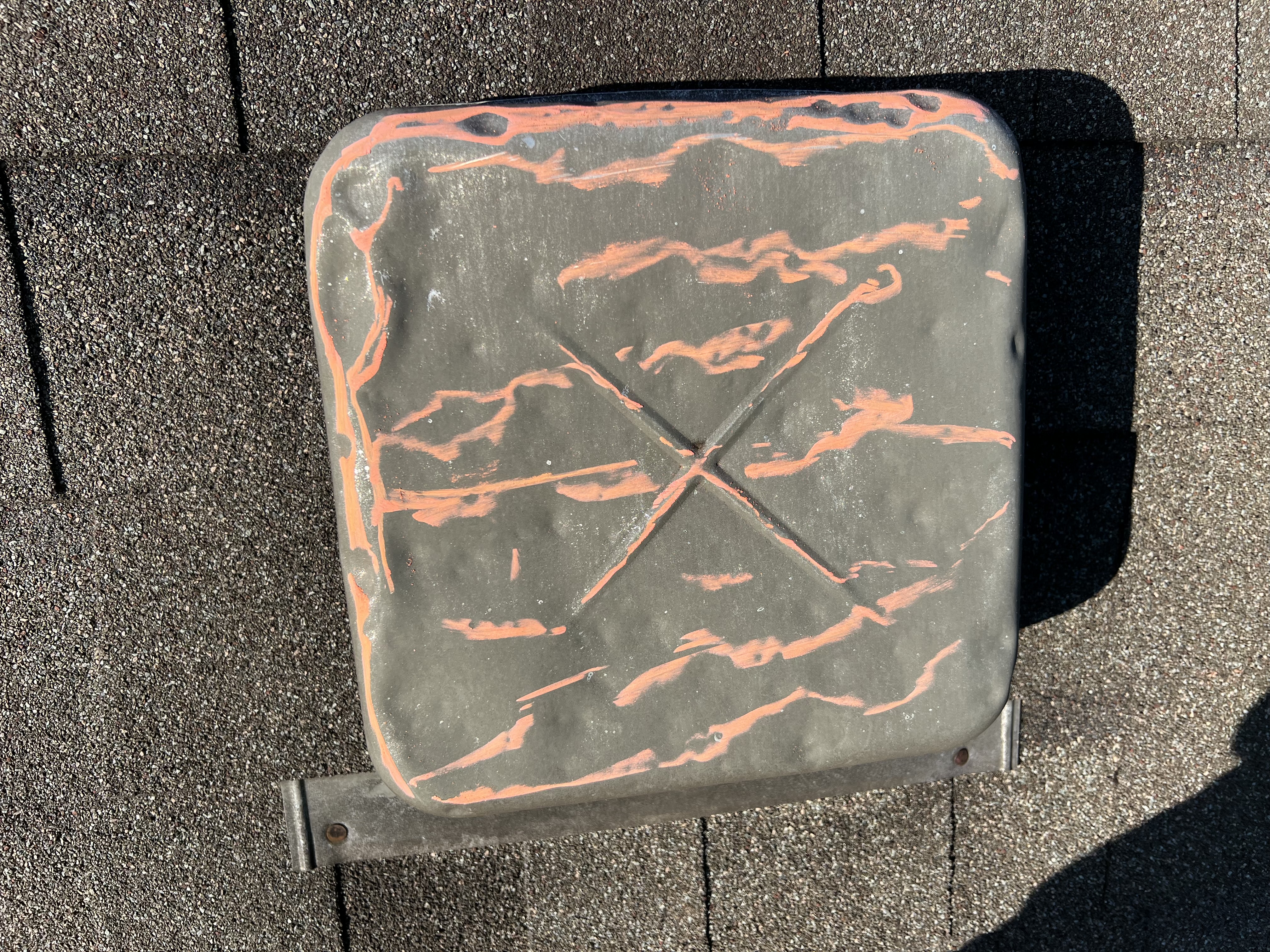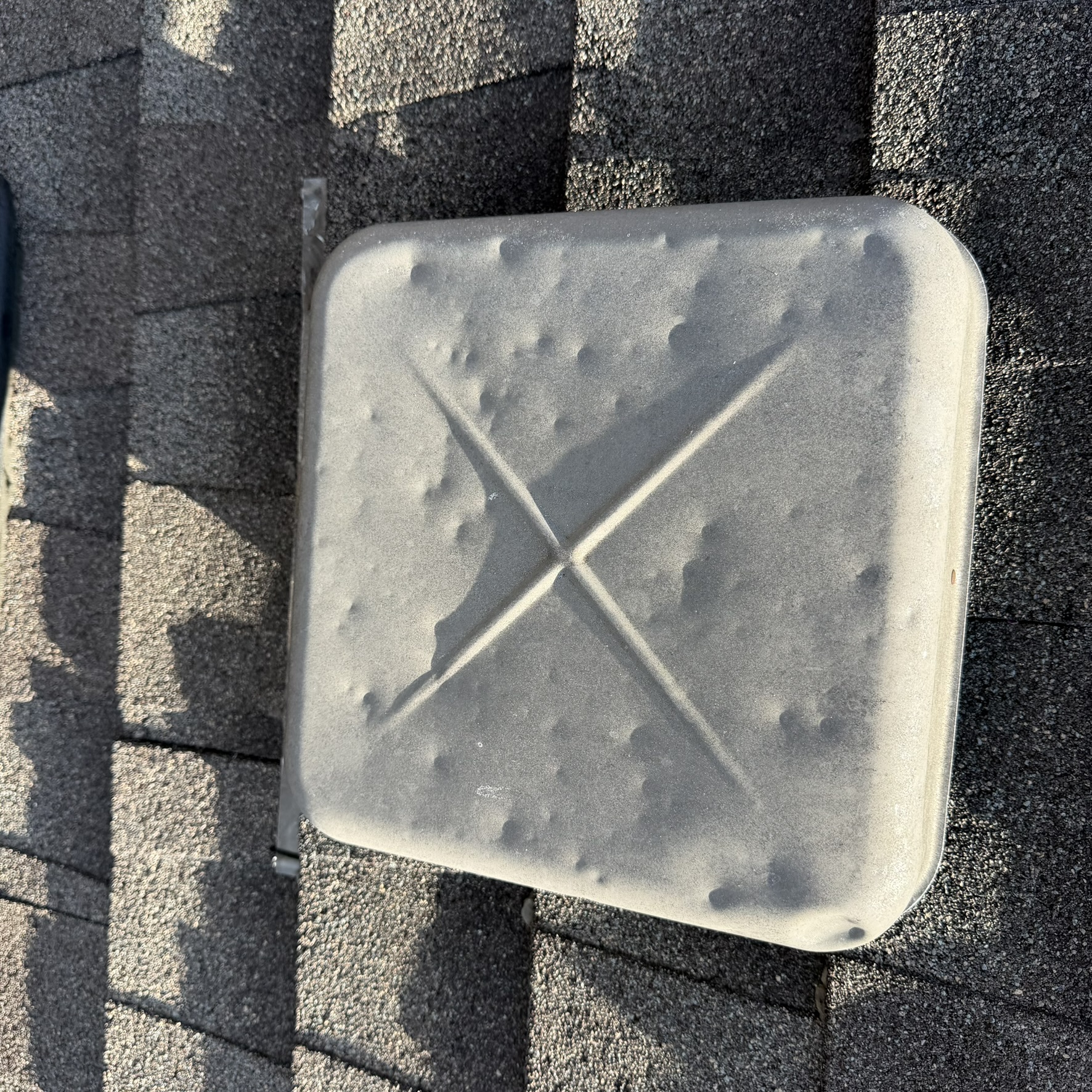
We live in Oklahoma. We know the storms are coming, it’s not when but where and how bad. Maybe that storm has already hit, and you don’t want someone to run off with your money. We understand and have heard the stories. I hope to bring some clarity and calmness to the aftermath of Oklahoma storms and help you not get scammed.
Construction Industry Board.
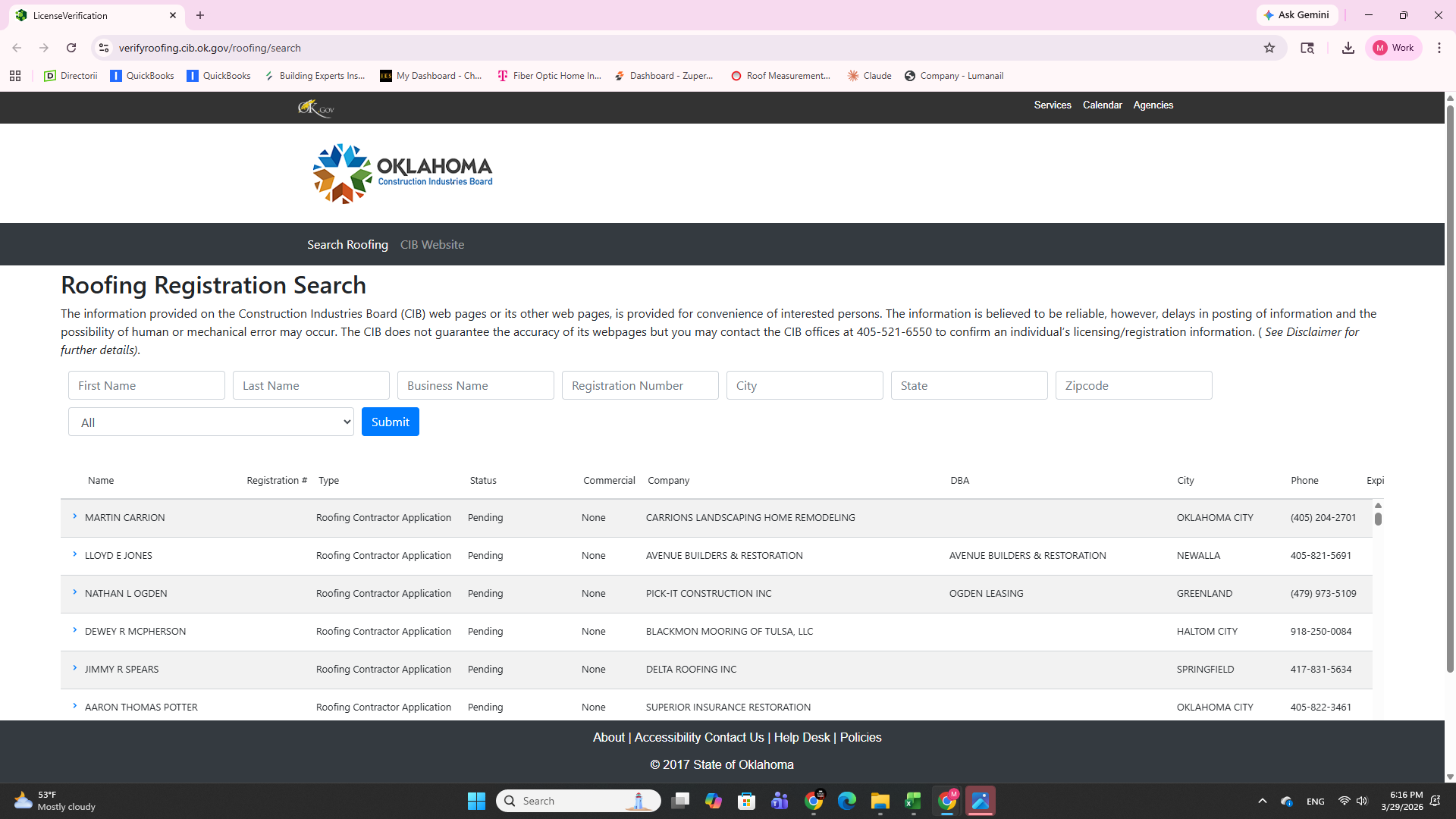
There is no licensing for roofing in Oklahoma, only a registration requirement. Before you think of doing anything, first check that the roofer is registered and in good standing. Copy and paste the link. https://verifyroofing.cib.ok.gov/roofing/search
Quick Version: How Not to Get Scammed
Door Knocking: Look for red flags. If they won’t take no for an answer or pressure you to sign on the spot, walk away.
Contracts: Don’t sign unless you are 110% sure you trust them and know what you are signing. Any reservations? Pause and wait.
Deductible: If they cover it, their profit drops and your roof quality drops with it.
Customer Service: No returned phone calls, late appointments, always disorganized, those are not coincidences. That’s the roof you’re going to get.
New Companies: Don’t hand over large deposits. An established company will only need a small deposit, if they require one at all.
Lien Release: Always ask for a mechanic’s lien release when the job is completed and paid in full.
Storm hasn’t hit yet? Keep reading, the details below could save you thousands. Hah.
What is a Storm Chaser?
When we talk about a storm chaser, we are not suggesting that every contractor that works on homes after a storm or every door knocker is a shady person. We are specifically talking about companies that come in after a storm to do shady deals, shady work, and have shady customer service, maybe that is through advertising such as door knocking or phone calls or deceptive advertising.
Door Knocking
Is door knocking the true sign of a storm chaser? Are all door knockers bad, slimy and crooked? The simple answer is no.
How do I know? Well, when we first started our roofing company, we started knocking on doors. It’s a good way to meet people who need help. However, we learned quickly it wasn’t for us, honestly, I always felt like someone was going to shoot me. Haha! I just didn’t feel comfortable, so we stopped.
But there are those guys out there that just don’t care. They’ll knock when you have a no soliciting sign on your door or you tell the guy 15 times no, but he is still talking. Those are signs that they are all about the deal and not about the customer. Buyer beware.
How Storm Chasers Use Roofing Contracts to Lock You In
Storm chasers have one goal and that is to sign as many deals as possible. They get the deal by having you sign their insurance contract. Once they get you to sign that contract, they know you’re locked in as long as you don’t cancel within the 3-day cancellation period required by law.
I remember one company, and to be honest, I’m not sure if they are still in business. Their marketing was all about them taking a picture with a homeowner and a signed insurance contract and they would post this online. It was photo after photo; it was almost like they were doing that to make it seem cool.
These contracts are written by lawyers, and each one could be different. However, they all share one similarity, there’s a cost to cancel the deal, typically 20 percent. Example: an adjuster writes an estimate for $15,000; that 20% contract fee will cost you $3,000 if you want to cancel. It’s one thing if the contractor tells you about this upfront, but most times they don’t.
Storm Chasing Scams: It’s About Quantity, Not Quality
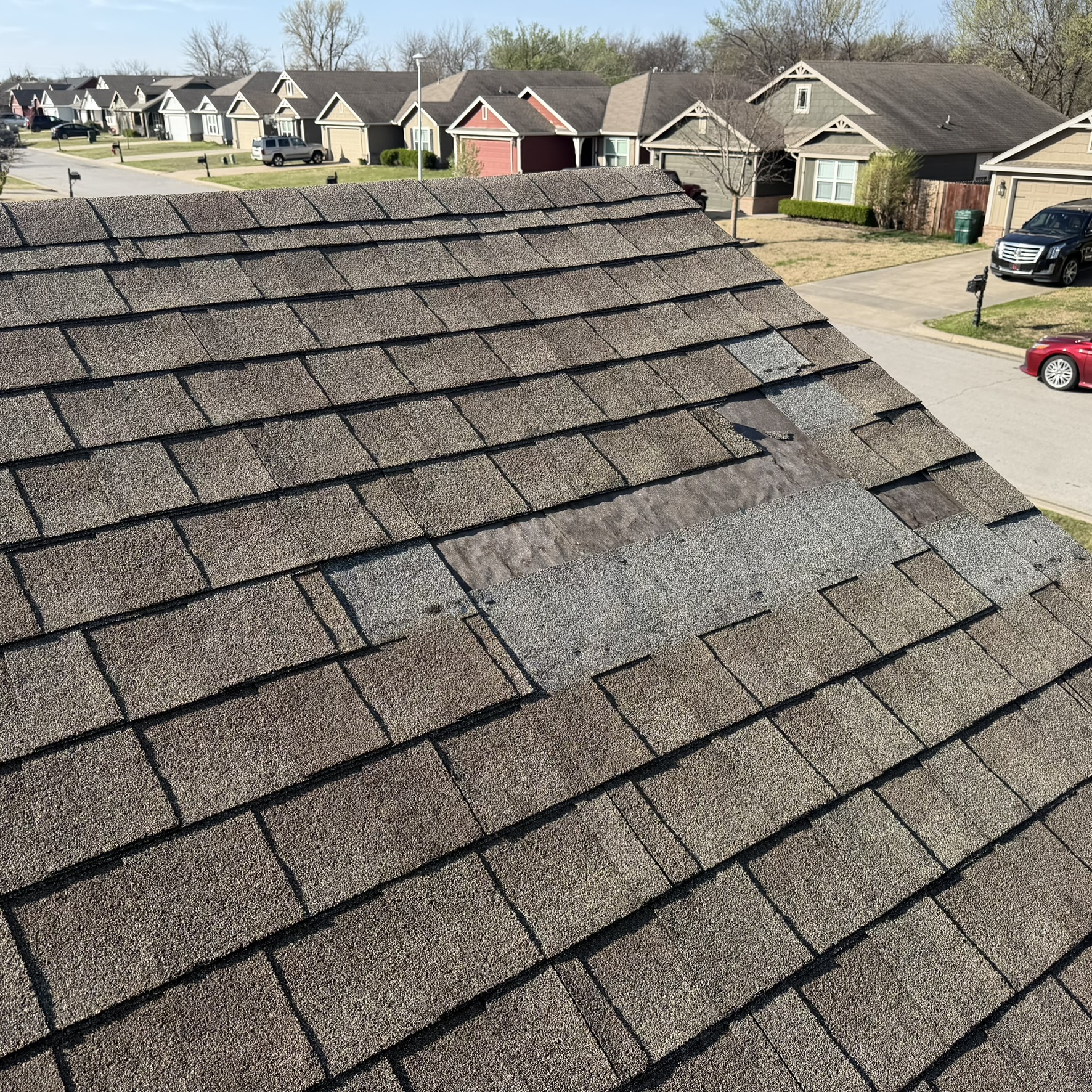
The storms hit. The game is on for them. Sign the deal as fast as possible and install it just as quickly. That means cheap materials and subpar construction work. Then when the easy deals are over, many of them will leave town and many others will go out of business because it was all about the cheap fast money. I think you know what you are left with.
How Do You Protect Yourself?
The first step is looking for patterns. What are these patterns? Usually there is a lack of good customer service. Not answering the phones or not calling back in a timely manner if you leave a message. Showing up late for an appointment or not showing up at all. How about having to always ask for things or having to give reminders because they seem forgetful?
Pro Tip
During my long roofing career, I have never heard a homeowner say the roofing company they chose had the worst customer service and the worst organizational skills, but boy did they put on a good roof. Have you?
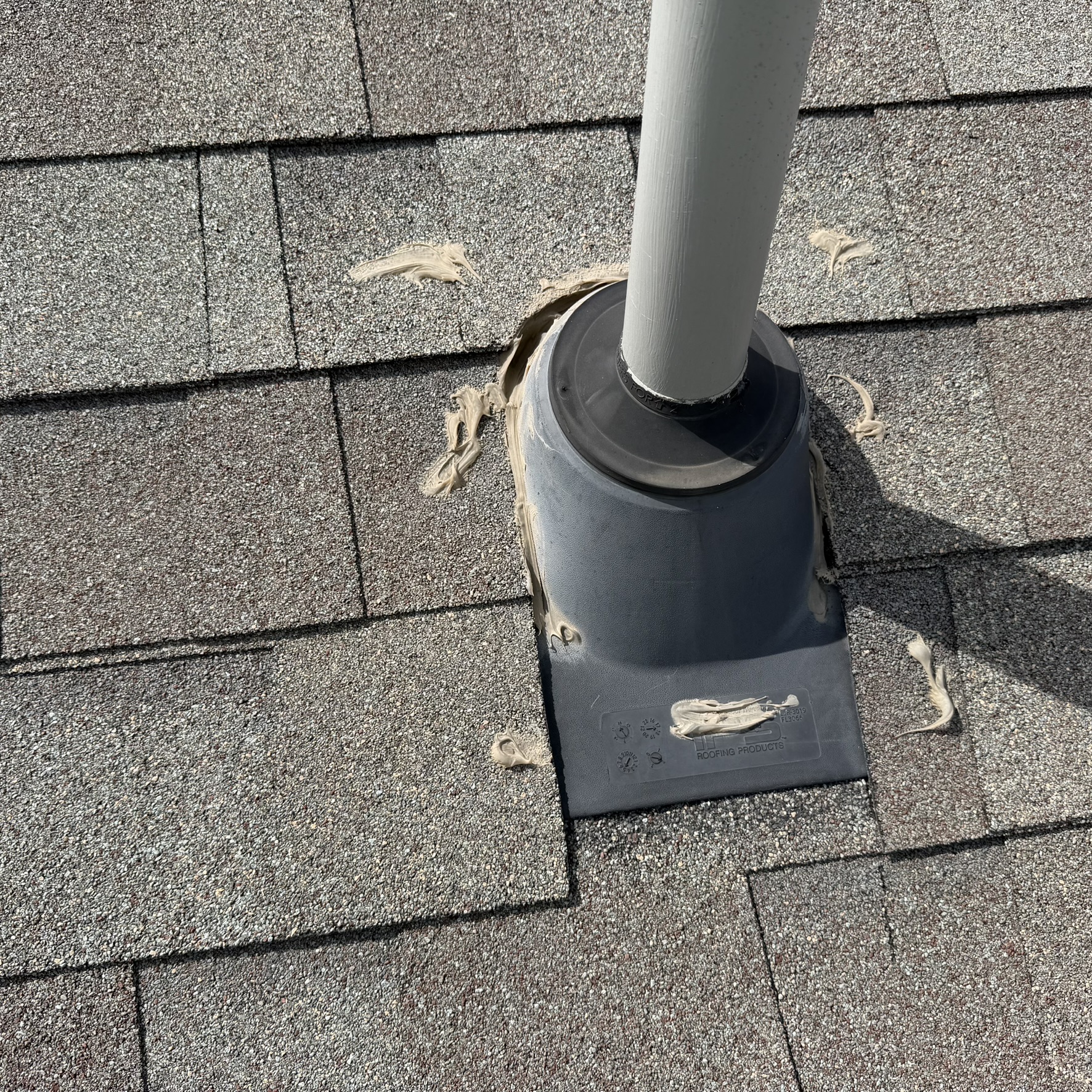
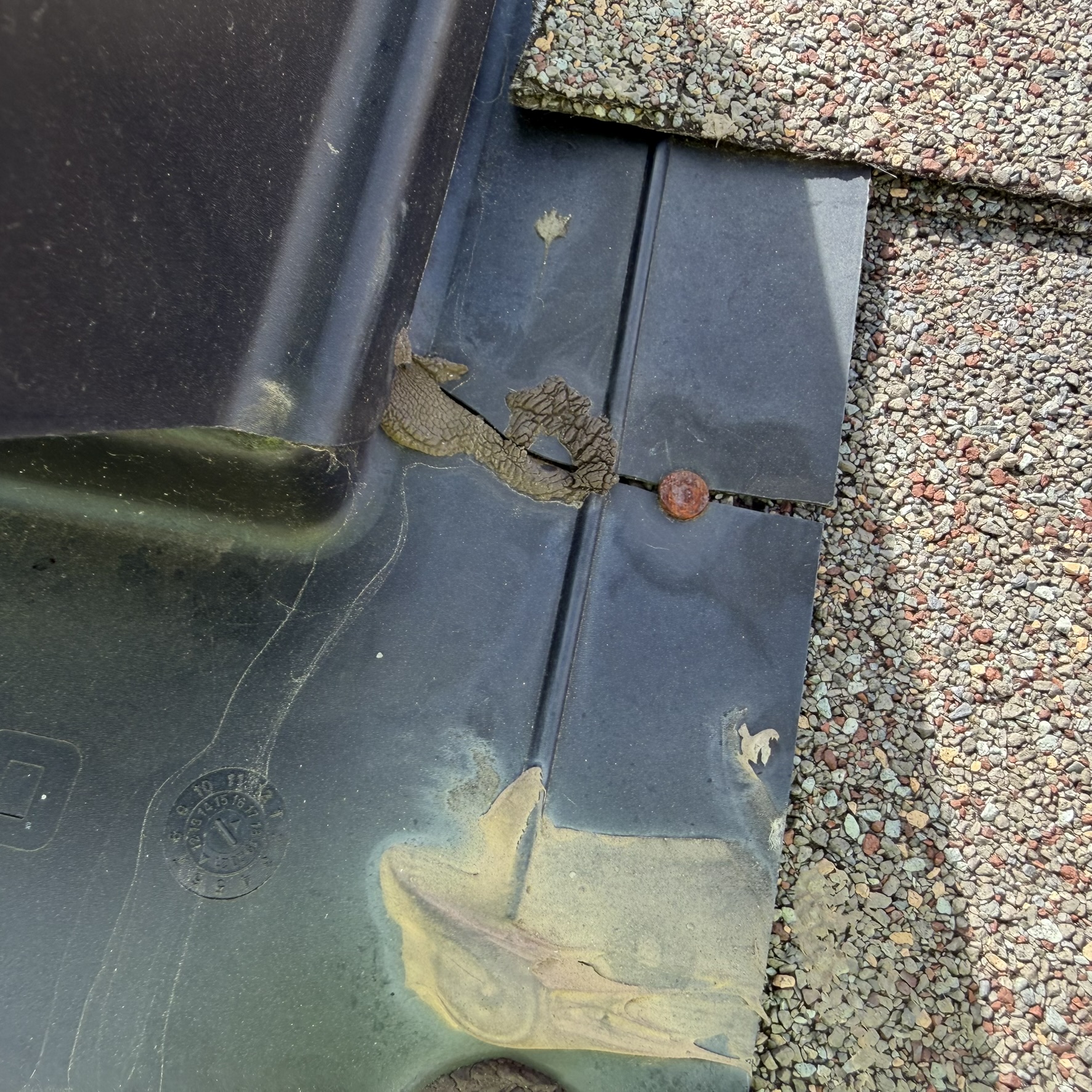
The second part to this is low-grade construction work. The numbers game doesn’t equal a construction experience tailored to your needs. The construction experience is tailored to them. You pick out the shingle and color of the shingle, and that might be it. Other components of the roof are never addressed like new chimney flashing, pipe flashing or removal of the tar paper. Most of these materials will be reused, not replaced. Almost every Tulsa roof we work on is not properly ventilated. No air movement in the attic equals rapid deterioration of the roof. Not one conversation will be had about this.
Pro Tip
Felt paper is black in color and has a design on it. If the tar paper is not removed, then the decking was never inspected for rot or damage. Another layer will be installed overtop and every problem ignored
Contractor Not Collecting Deductibles.
For sure, I get this. Who wants to ever pay their deductible, especially when you know friends or coworkers who didn’t have to pay theirs? But really who wants a crummy roof job that doesn’t last? Here are the facts. They’ll cover your deductible; you sign the contract; and they will install whatever quality of roof they want and move on. This is the dilemma: If the business you own or the company you work for was forced to operate at 80% of the budget it needed to be profitable, what would happen? For example, if the actual cost of a roof is $20,000 and now the roofing company is installing it for $16,000 because of the $4,000 it was willing to cover, think about what is going to happen. That company is going to have to increase production to pay the bills or start cutting corners, and usually it’s both. Is this a scam or a bad business model?
Contractors who don’t collect deductibles have higher chances of not being able to pay the subcontractor bills and material bill. Ask for mechanics lien release when you pay the contractor. Don’t be shy, this could save a nightmare type of situation down the road.
Should You Hire a New Roofing Company After a Storm?
Here’s How to Not Get Burned
Ever notice how after a big hailstorm, roofing companies seem to appear out of nowhere?
Some of them are storm chasers, out-of-state crews following the damage trail. Some are companies that were not active and suddenly have a truck and a yard sign. And some are legitimate, new local businesses just getting started.
Here’s the truth most roofers won’t say out loud: a new company isn’t automatically a bad company. Every contractor you’ve ever trusted had a first job. Somebody had to give them a shot.
But there’s a big difference between giving a new company a chance and handing them a check before they’ve touched your roof. New startups might not have an account with a local shingle supply store, so they will need a large deposit to pay for materials. Would I ever give a roofing company $5,000-$8,000 as a deposit? Absolutely not. Only if I ordered a specialty product that was non-returnable, that’s when a deposit is warranted.
Make sure they are registered with the state and have workerscomp insurance and liability insurance. You can verify any Oklahoma roofing contractor at verifyroofing.cib.ok.gov/roofing/search.
Pro Tip
Not every company collects a deposit. If you think a contractor is asking too much up front, check out some other companies.
Closing
Getting scammed is a serious problem in the roofing industry and can leave you either in financial hardship or with a low-quality leaking roof. Follow the signs; they are everywhere.
I always say to potential customers if the insurance company is paying the bill you don’t have to go the cheap route.
We are here to bring clarity to homeowners, that is why we write these blogs. If you feel you might be in one of these types of situations and are concerned, don’t wait. Rob started his roofing career in 1996 and has called Tulsa home since 2018, give us a call at 918-607-7409.