This question comes up quite often. “Hi Rob, I was thinking about ridge vent, what do you think?” Sounds like a good time to write a blog about it.
Here is the good news, you are not going to go wrong with either box vents or ridge vent. Both have been around forever, and they are not going anywhere anytime soon.
Before we get started, I need to make one thing clear. Per manufacturer specifications, a roof is only allowed to have one type of exhaust vent, either all box vents or all ridge vents. If your contractor is installing both, stop and have that conversation before the job goes any further.
Here is the short version if you are that type of person
What Is a Roofing Vent and What Is Ridge Vent?
A roofing vent is a stationary vent that works independently. Ridge vent sits at the peak of the roof and must be combined with an intake vent. Both are exhaust vents that allow hot air to escape the attic.
How Do Roofing Vents and Ridge Vent Work?
Roof vents allow the heat to naturally rise out of the attic. Ridge vent needs wind to pull hot air out of the attic. Both need the proper intake vent to work properly.
What Are the Downsides of Each?
550 or mushroom style vents have been known to give birds easy access to the attic. Ridge vent without the proper intake is worthless.
My Personal Take After 30 Years
Over the last couple of years we have replaced several ridge vent systems and every time we pull them up the filters are packed with dirt and debris. That bothered me. You can buy filter less ridge vent but it is not always available locally which is why we now remove the filter on every install. Here is the part that really makes me think. To install ridge vent correctly you have to cut the soffit intake vents and close off the gable vents. You are essentially taking over the entire ventilation system of the home. Technically that is exactly right. But I am not an engineer and neither are most homeowners. What if there is a factor we are not considering, a unique attic layout, an unusual airflow issue, something nobody caught, and two years later mold shows up? Nobody connects that back to the ventilation change. That responsibility sits with me.
That is why most of the time roof vents are our exhaust vent of choice. Simple, independent, hard to mess up. Ridge vent is the best system on the market when everything lines up perfectly. But in 30 years I have learned that everything does not always line up perfectly.
What Does a Roofing Vent or Ridge Vent Cost?
A standalone roof vent costs $50-100 per vent to install. Ridge vents require the existing roof vents to be filled in, the gable vents closed off, and the proper square inches of intake in place. Ridge vent could cost $10-20 per foot to install.
Which One Is Right for Your Roof?
On a budget a roofing vent will serve you well. If it’s all about the looks and performance, then ridge vent is best.
Now let’s dig in.
What Is a Roof Vent?
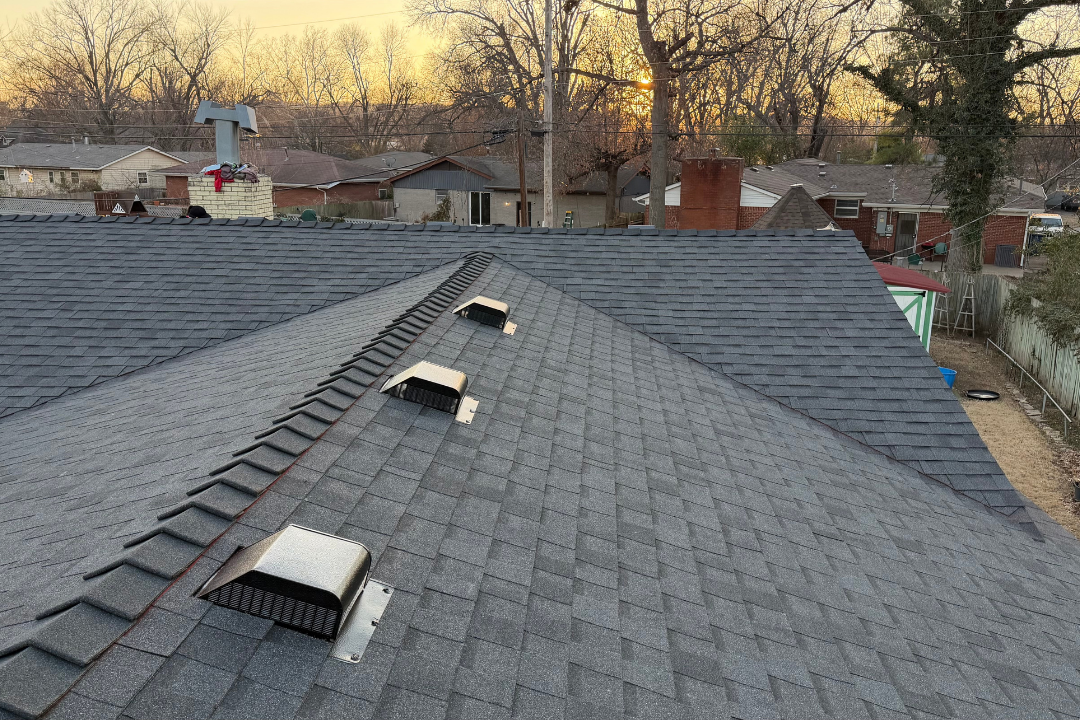
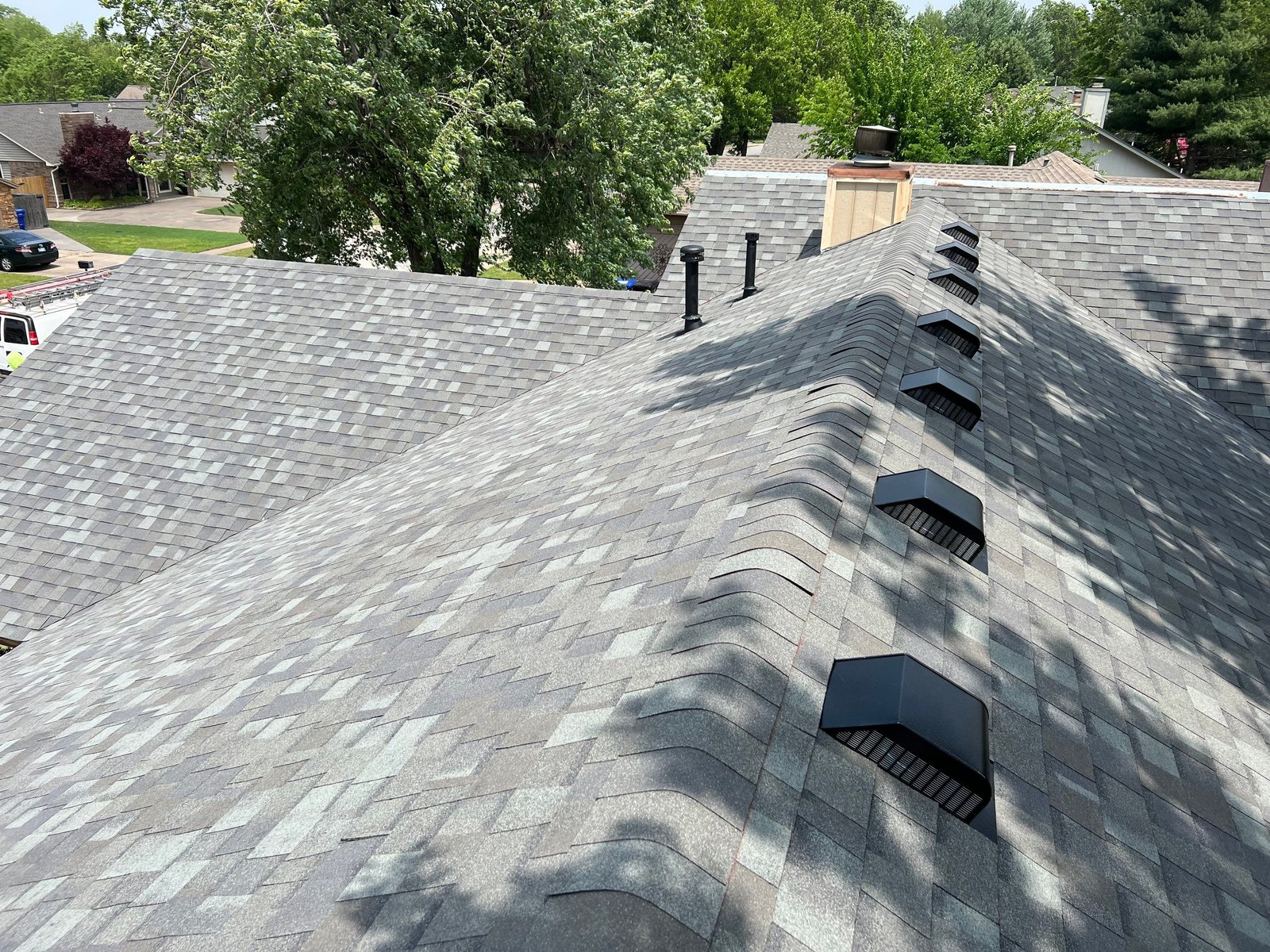
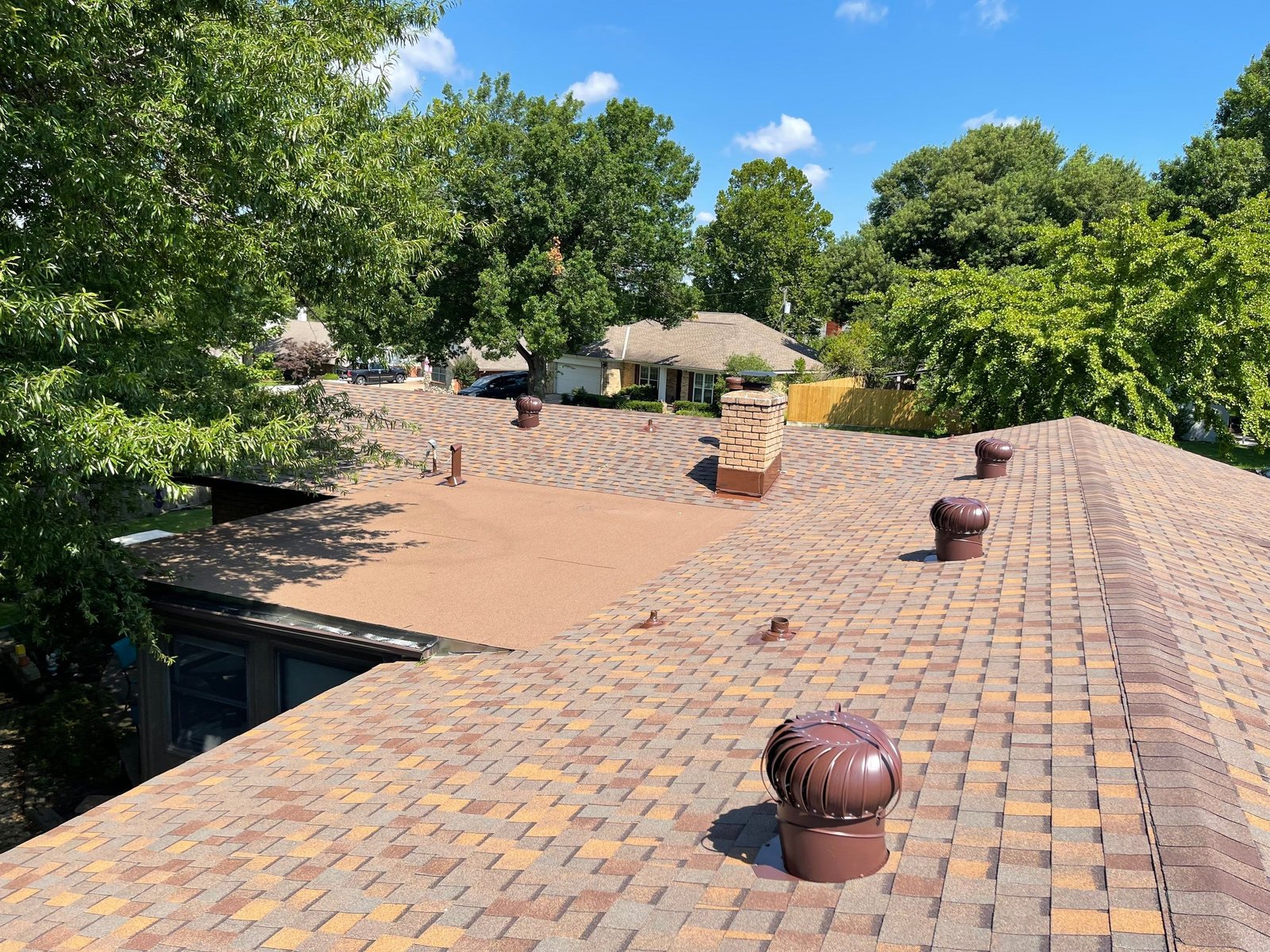
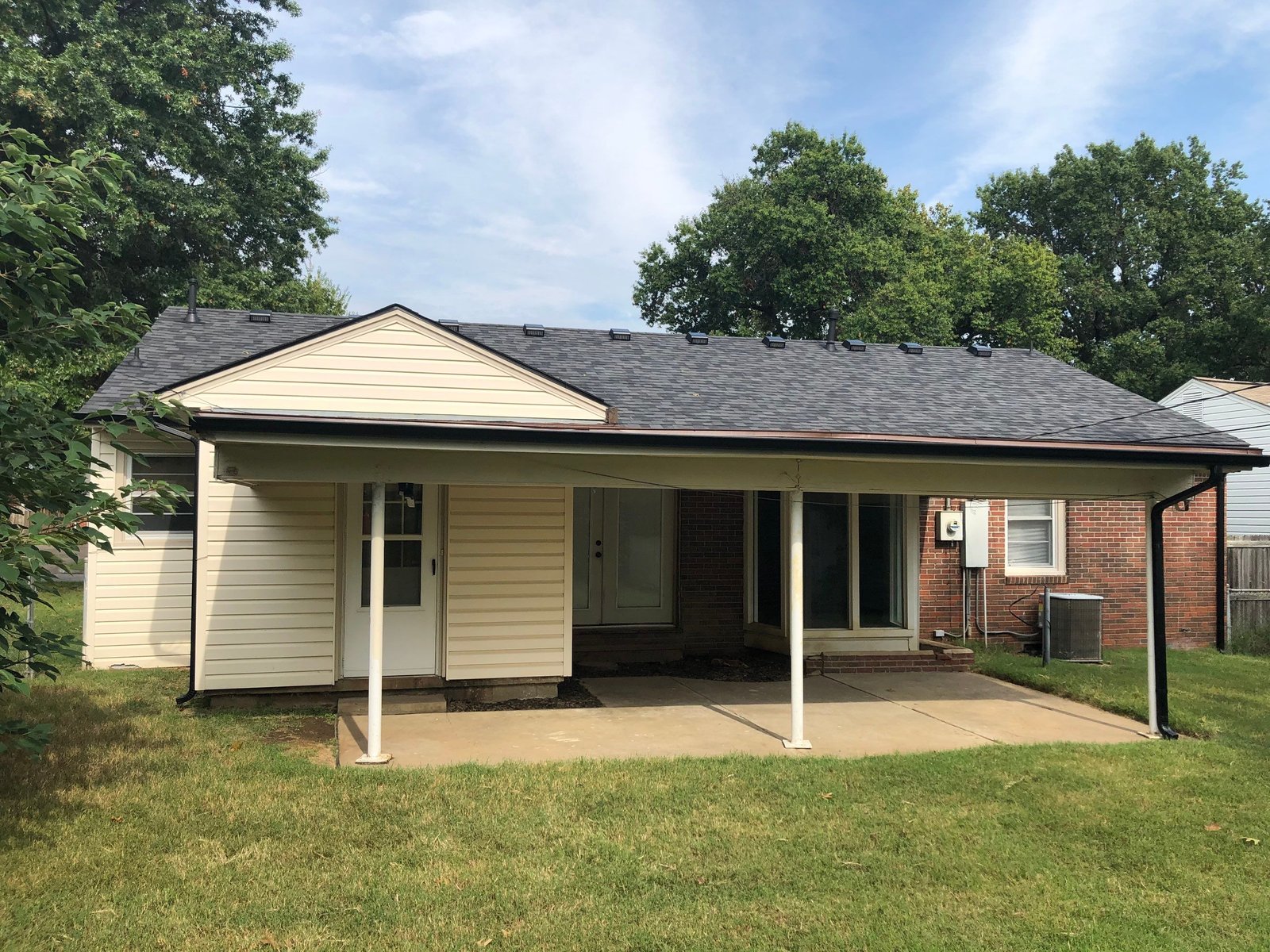
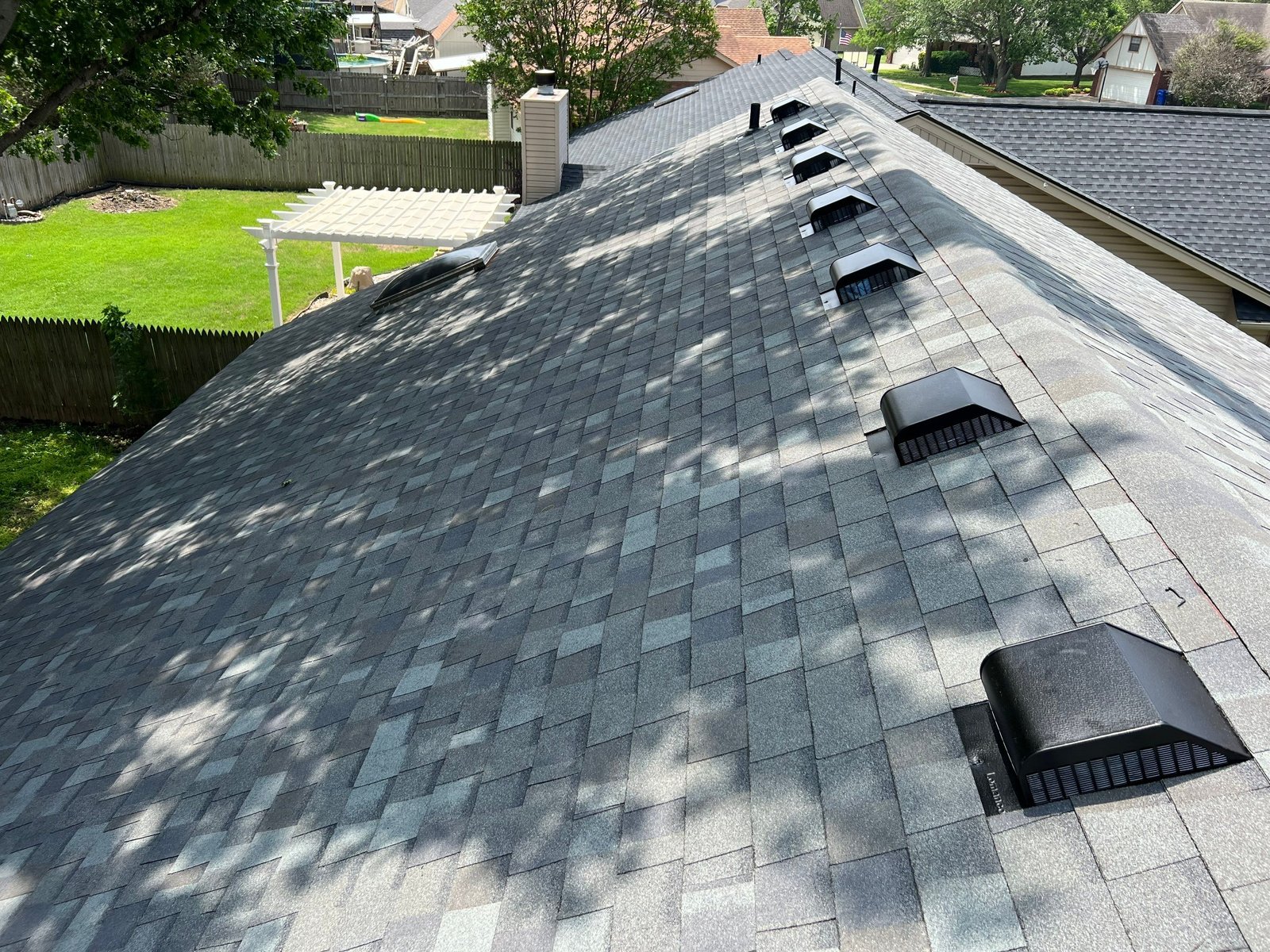
A roof vent simply allows heat to escape from the attic. There are all sorts of shapes and sizes of roof vents, mushroom or box styles or all kinds of fancy options. A roof vent is a standalone opening that works independently and allows hot air to rise out of the opening inside the vent. Roof vents are installed towards the top of the roof but usually 1-2 feet down from the very peak. Roof vents should be installed so that if you are looking at the front of the house you won’t see a vent only from the back and sides of the house.
What Is a Ridge Vent?
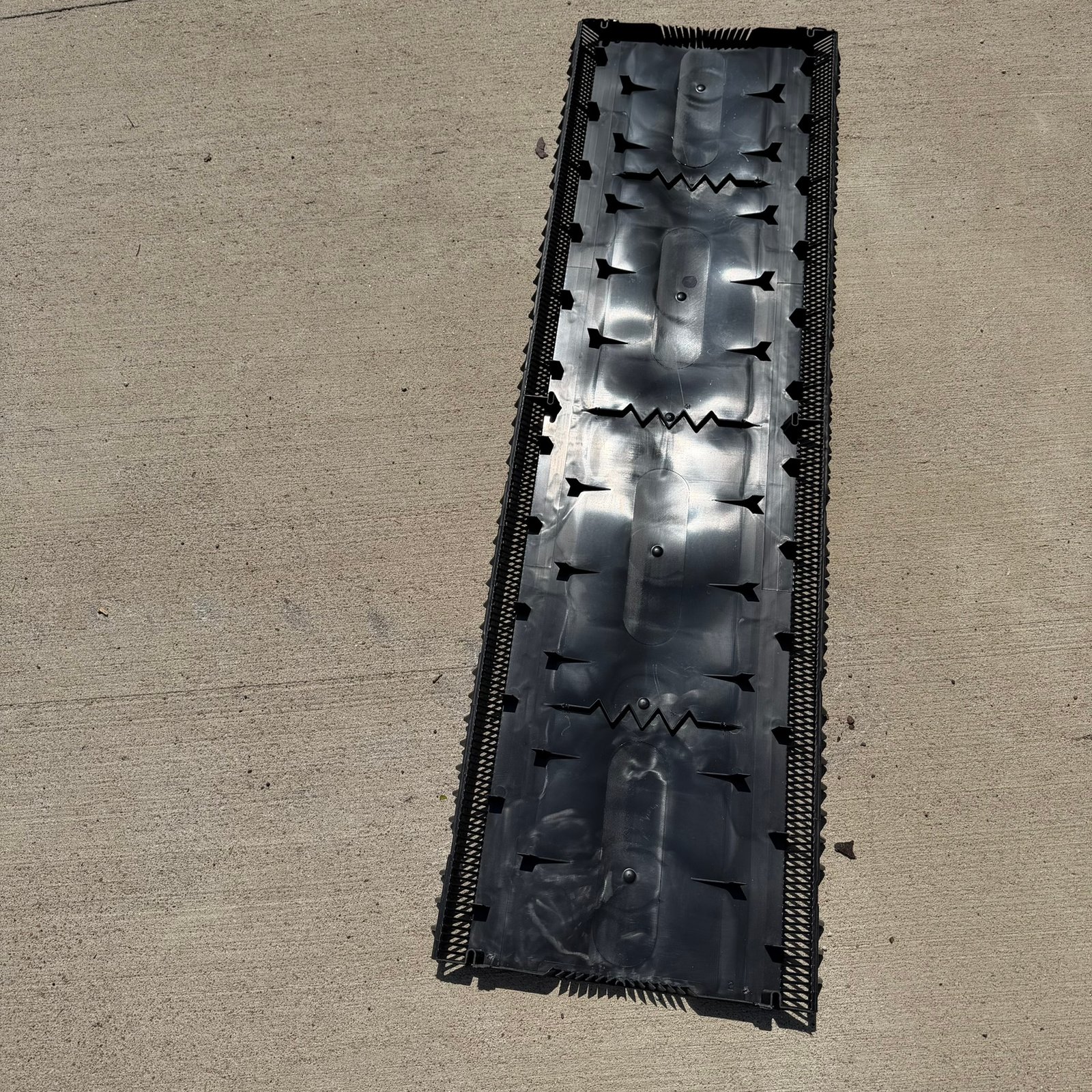
A ridge vent is typically a 4-foot piece of plastic installed at the very peak of the roof. Ridge vent is a continuous ventilation system that can vent a 10-foot section or a 40-foot section in one continuous line. This type of ventilation is considered the best exhaust system because it vents continuously along the entire peak of the roof. Ridge cap shingles are installed over most ridge vent pieces to protect the seams and nails that secure it in place.
How Do Roofing Vents and Ridge Vent Work?
Really the only way that either of these vents work is by following a formula called the 1/300 rule. This is a building code and requirement by shingle manufacturers. The short version of the 1/300 rule is that it provides you the formula for a balanced roofing system.
Roofing Vents
Roofing vents are very simple to use and hard to mess up because they work independently of each other. As hot air rises, it simply exhausts through the vent and out of the attic. If you have the proper intake, hot air is allowed to exhaust out of the roof vent at a faster rate. Roofing vents have an opening in the center that allows hot air to escape. That hole is covered with a box-type surround or in the case of the mushroom style, a mesh or metal covering on the inside that prevents animals from getting in.
Ridge Vent
How ridge vent works is complex and requires installation planning. Ridge vent has baffles inside each piece and needs wind circulating through the baffles to allow hot air to exhaust through them. Ridge vents must have the proper amount of intake vents to work properly. If air is not moving freely in the attic, it takes more wind on the outside to pull air out. The freer the air flows in the attic the less wind speed is needed to exhaust hot air out. Ridge vent is the best ventilation system, but without proper airflow, it will be the worst ventilation system for your home.
What Are the Downsides of Each?
Roofing Vents
There are 3 common downsides to roofing vents. The first is that they can leak or create a weak point for a potential leak. Installation is key and I have seen plenty of wrong ways to install a roof vent over the years.
Also, roofing vents are often made from flimsy aluminum and dent easily. Beware of the cheaper version the 550 style or what is called a mushroom vent. This style allows birds to get underneath and into the roof vent. From there they peck at the thin mesh and gain access into the attic. Never install the 550-roof vent. Check what is delivered.
Ridge Vent
Ridge vent looks much nicer, but every part of the attic ventilation system must work together to get the results you are looking for. If the gable vents aren’t covered or there is not the proper intake the ventilation system will not work properly.
The second reason is a clogging filter on the ridge vent. Ridge vents can come filtered or non-filtered. Over the years we have noticed that the filter in only a couple of years time can get clogged. It is just like your air filter that you replace several times a year. The ridge vent cannot be replaced once installed. We are currently removing the air filter from all ridge vents. Removal of the filter is needed because the non-filter ridge vent is not always available to purchase locally.
Steep pitch roofs make the installation of ridge vent a little trickier. The steeper the pitch the more careful the roofing crew needs to be in making sure the ridge vent piece can bend over the steep pitch. If not installed properly the ridge vent will want to push upward.
What Does a Roofing Vent or Ridge Vent Cost?
Roof vents will be the cheapest option to install. The cost should be around $50-100 per vent installed.
Ridge vent will be around $10-20 per foot to install. Ridge vent pricing might include many additional variations. You might have a price to install, a price to fill in all the roof vents, a price to cover the gable vent, and lastly a price to cut the proper intake vents. Discuss each item with your contractor of choice.
Which One Is Right for Your Roof?
Both vents work great. Follow your budget first. Do you need to spend thousands of dollars on a ridge vent? The short answer is no you don’t. If your budget calls for roof vents, then don’t feel bad. Roof vents work great.
Be cautious of roofing companies that just sell you on the ridge vent based upon looks only. If they don’t talk about the important factors about intake and closing the gable vents, then don’t do it. You are better off with the standard roof vent.
Also, if you have a 12/12 pitch or steeper roof, adding roof vents is the better option in my opinion. The installation process becomes harder and less precise. You are more likely to get a bad installation job as the roof steepness increases.
Ridge vent works best on roofs that have free flowing air movement in the attic. If you are all about the details, then ridge vent is a great option for you.
Both vents are great, but it only matters if you are following the 1/300 rule for proper ventilation. If you’re not sure or just don’t care. Ha! Give us a call. We’ll do all the work and give you plenty of options. Green Country Roofing. 918-607-7409.